

Purpose-Driven Research.
Precision Compounds.


Empowering researchers, biohackers, and high-performance athletes with access to elite-grade compounds trusted by top-tier labs worldwide.
Where Science Meets Performance
At FluxLabs, we’re driven by one core mission: to advance research by providing high-quality compounds with transparency, integrity, and scientific precision.
We specialize in producing and sourcing cutting-edge research compounds for laboratory and performance use.
Our goal is to empower researchers, biohackers, and performance athletes with access to the same caliber of compounds used in elite research institutions.
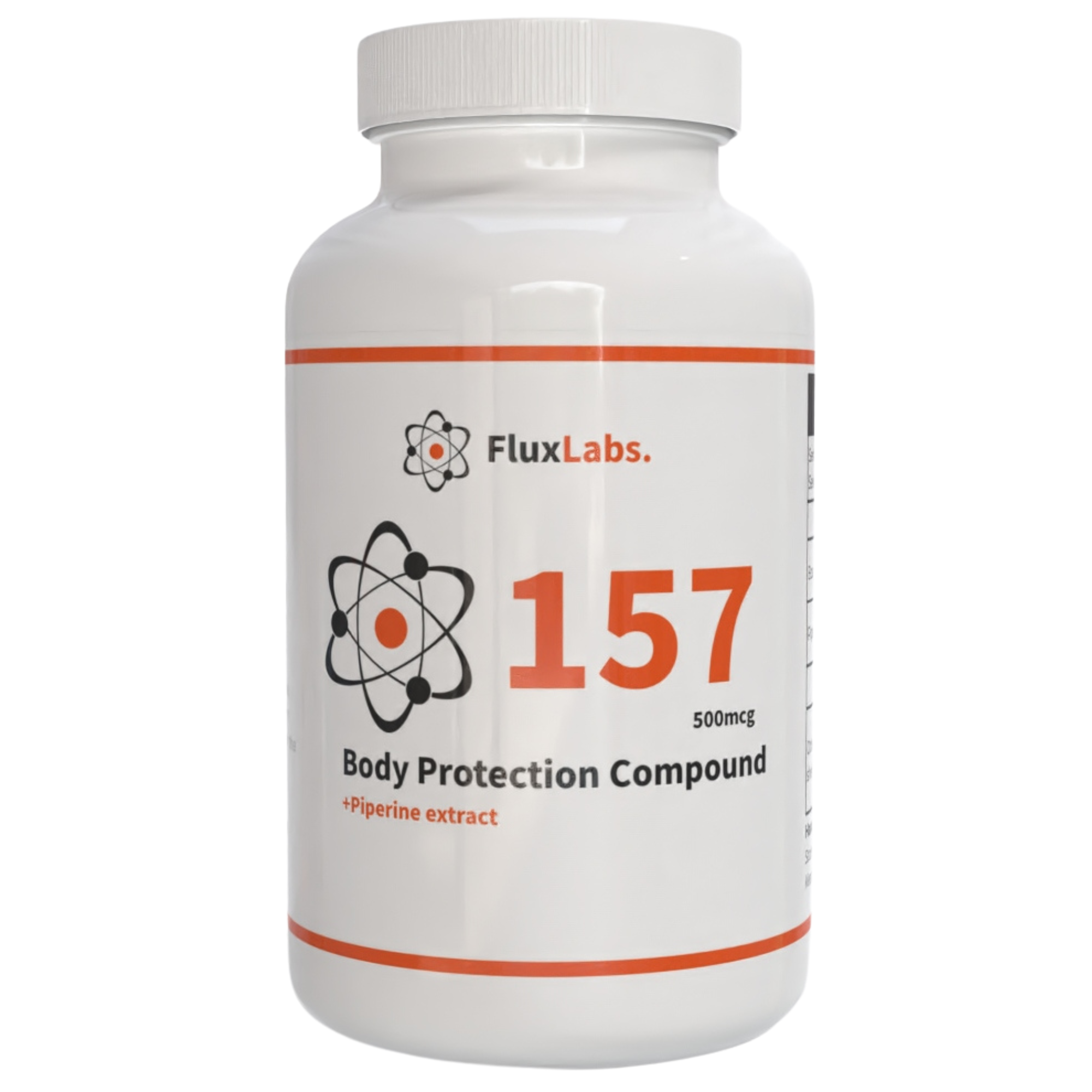
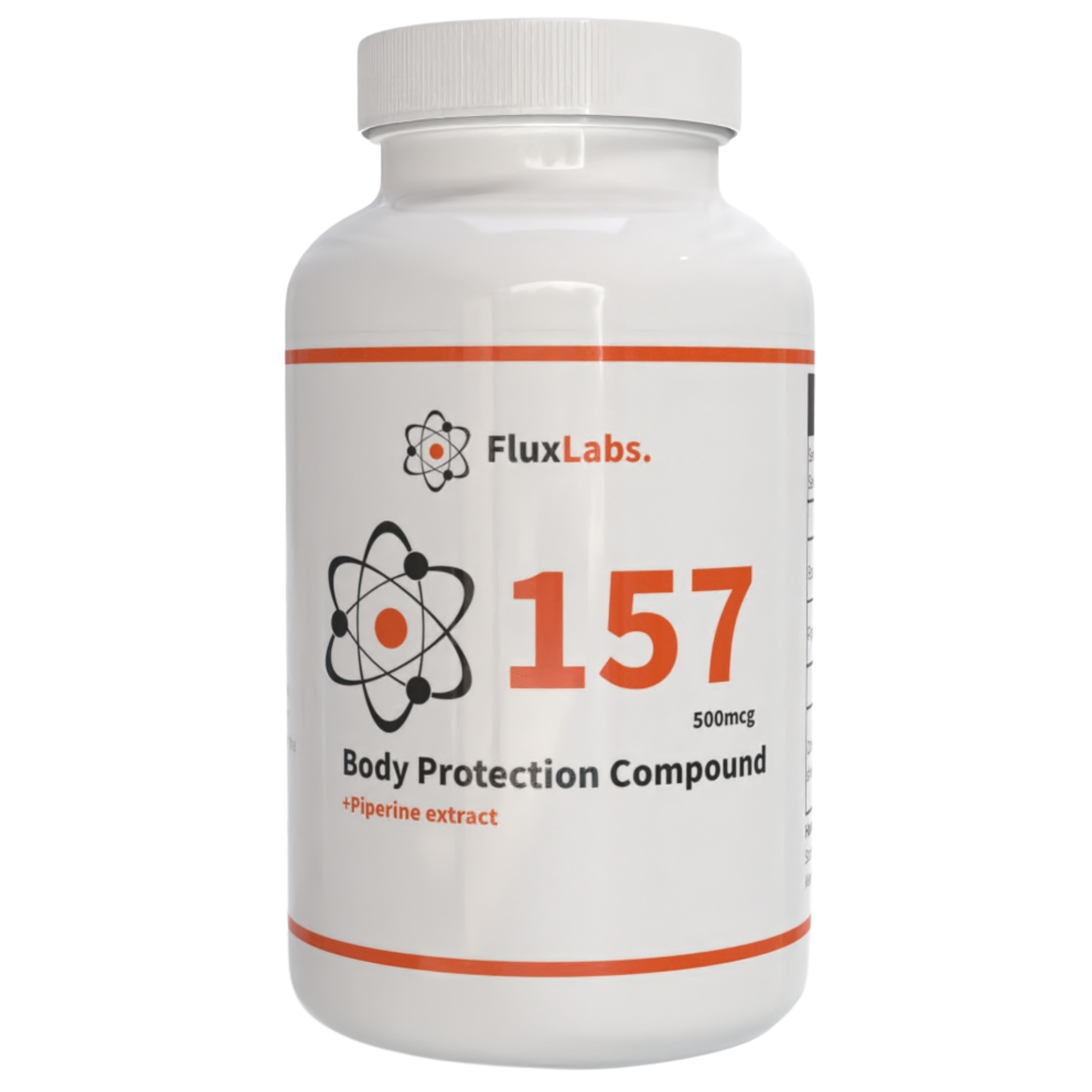
BPC-157 (Body Protection Compound-157) is a synthetic fragment of a naturally occurring protein found in gastric juice. It has gained significant attention in preclinical studies for its wound healing, anti-inflammatory, and organ-protective properties.
Researchers have explored BPC-157 in models involving:
Tendon, ligament, and muscle regeneration
Gastrointestinal repair, including leaky gut and ulcers
Neurological recovery following trauma or inflammation
Joint healing and connective tissue function
Angiogenesis and blood vessel growth
Studies suggest that BPC-157 promotes cellular migration, collagen synthesis, and vascular repair — all without suppressing inflammation systemically.
Each bottle contains 60 capsules at 500mcg each, third-party tested for quality and intended for research use only.
NEW Product
BPC -157
BPC-157 (Body Protection Compound-157) is a synthetic fragment of a naturally occurring protein found in gastric juice. It has gained significant attention in preclinical studies for its wound healing, anti-inflammatory, and organ-protective properties.
Researchers have explored BPC-157 in models involving:
Tendon, ligament, and muscle regeneration
Gastrointestinal repair, including leaky gut and ulcers
Neurological recovery following trauma or inflammation
Joint healing and connective tissue function
Angiogenesis and blood vessel growth
Studies suggest that BPC-157 promotes cellular migration, collagen synthesis, and vascular repair — all without suppressing inflammation systemically.
RESEARCH PEPTIDES

SLU-PP-332
$89.99
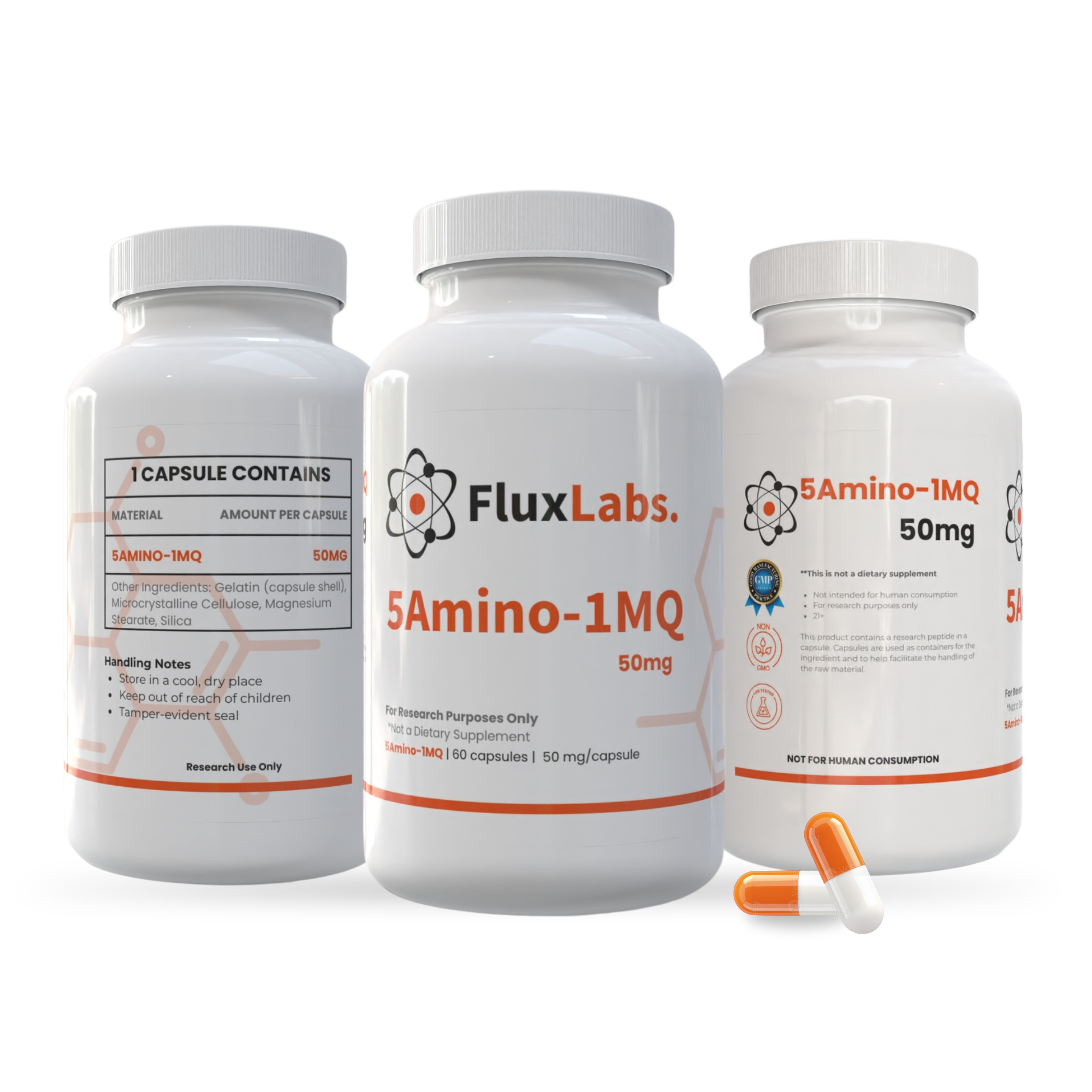
5 Amino-1MQ
$89.99
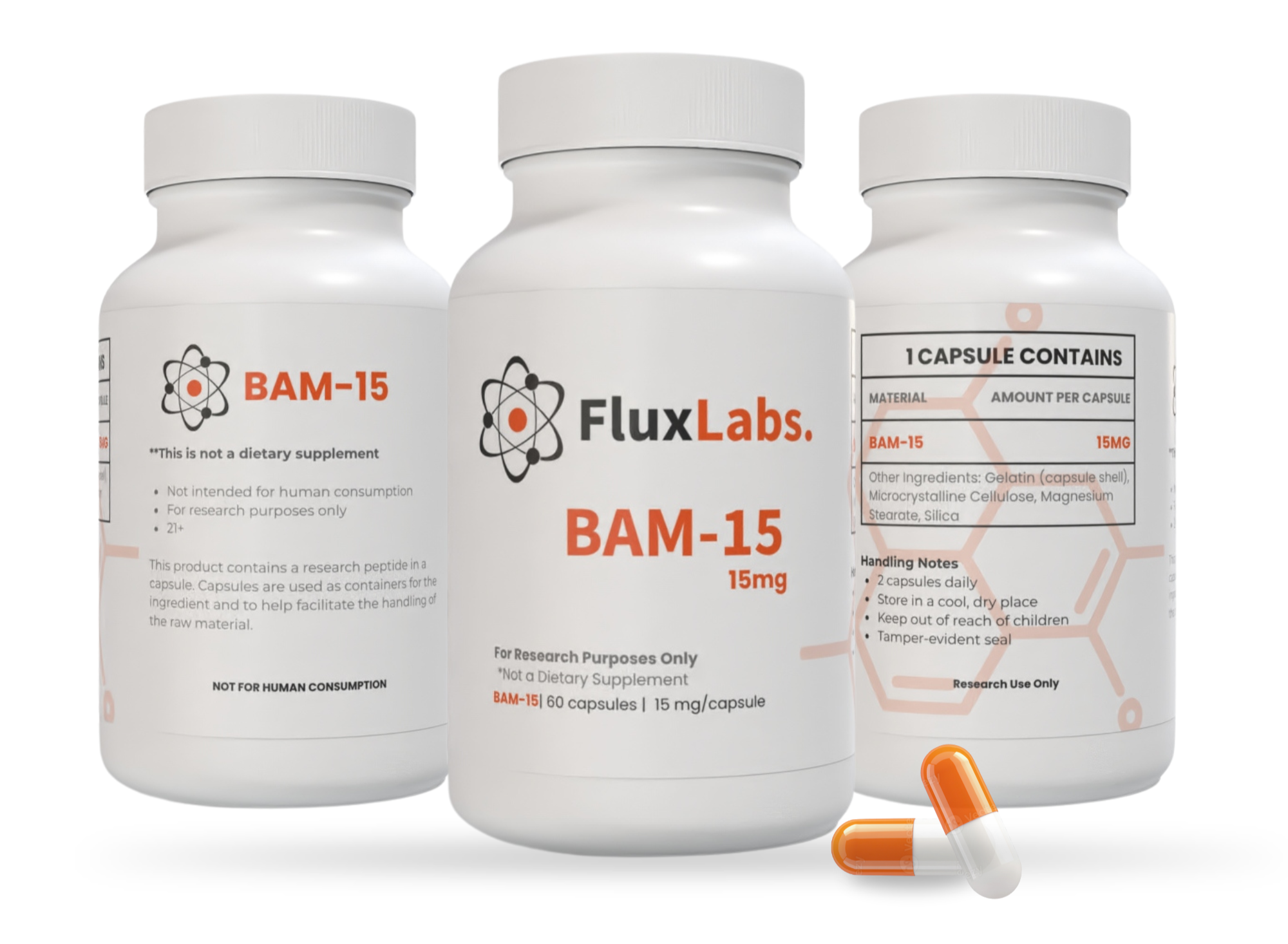
BAM-15
$89.99
SLU-PP-332: A Research Overview of Its
Metabolic and Therapeutic Potential
SLU-PP-332 is a synthetic agonist targeting estrogen-related receptors (ERRα, ERRβ, and ERRγ), exhibiting properties that mimic the physiological effects of exercise. Preclinical studies have demonstrated its efficacy in enhancing mitochondrial function, promoting fatty acid oxidation, and improving metabolic parameters in models of obesity and metabolic syndrome. This article delves into the molecular mechanisms, pharmacodynamics, and potential therapeutic applications of SLU-PP-332.
Physical exercise induces a myriad of beneficial adaptations, including enhanced mitochondrial biogenesis, improved insulin sensitivity, and increased energy expenditure. However, not all individuals can engage in regular physical activity due to various constraints. Pharmacological agents that can replicate the benefits of exercise, termed "exercise mimetics," have garnered significant interest. SLU-PP-332 emerges as a promising candidate in this domain.
-
Animal models of obesity and insulin resistance have demonstrated several benefits from SLU-PP-332 administration:
Reduction in Body Weight and Fat Mass
Improved Glucose Tolerance and Insulin Sensitivity
Decreased Hepatic Steatosis (Fatty Liver)
Lower Inflammatory Markers in Adipose Tissue and Liver
These changes closely mimic those seen after prolonged aerobic training programs.
-
SLU-PP-332 has been shown to enhance endurance and mimic many physiological adaptations of exercise:
Increased Mitochondrial Density in skeletal muscle, leading to improved oxygen utilization
Improved Aerobic Capacity without prior exercise training
Shift Toward Oxidative Muscle Fibers (Type I and IIa), which are more fatigue-resistant and metabolically efficient
Activation of Pathways Associated with Exercise Response, such as PGC-1α and SIRT1
These results suggest SLU-PP-332 could serve as a powerful tool in research settings for studying exercise physiology, muscle metabolism, and mitochondrial disorders.
-
SLU-PP-332 acts primarily by activating estrogen-related receptors (ERRs), with a strong emphasis on ERRα. These nuclear receptors regulate the transcription of genes tied to mitochondrial function, oxidative metabolism, and cellular energy output.
Upon activation of ERRα, SLU-PP-332 initiates:
Mitochondrial Biogenesis: Via upregulation of PGC-1α and TFAM, SLU-PP-332 boosts mitochondrial content in skeletal muscle and cardiac tissue.
Fatty Acid Oxidation: Stimulates expression of genes like CPT1 (carnitine palmitoyltransferase I), enhancing the body’s ability to burn fat for energy.
Oxidative Phosphorylation Efficiency: Increases the expression of electron transport chain components, resulting in more efficient ATP production.
AMPK Pathway Modulation: Mimics cellular energy stress, shifting metabolism toward energy production and catabolic processes—similar to what is seen during endurance training.
-
Due to its unique action on mitochondrial and metabolic pathways, SLU-PP-332 has been explored in models related to:
Obesity and Weight Loss Research
Type 2 Diabetes and Insulin Sensitivity
Muscle Wasting and Sarcopenia
Non-Alcoholic Fatty Liver Disease (NAFLD)
Cardiovascular Endurance and VO2 Max Optimization
Mitochondrial Dysfunction and Bioenergetics Studies
Its properties also make it a compelling compound for sports performance research and biohacking-focused exploration
Have a question or need support?
Whether you're looking for product information, order assistance, or general inquiries, we're here to help. Fill out the form and we’ll be in touch as soon as possible.